
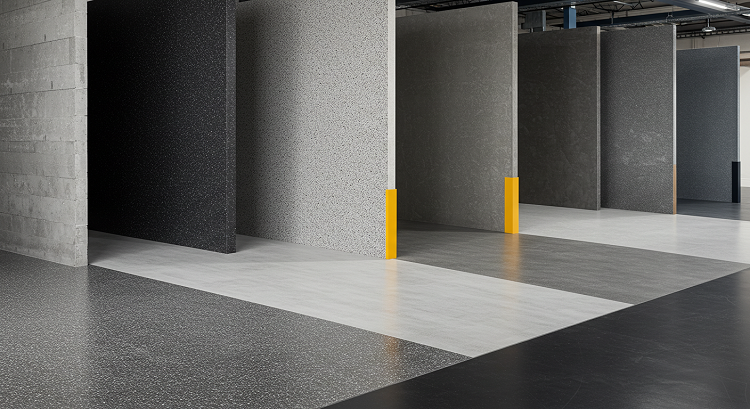

Commercial flooring has to withstand constant foot traffic while enhancing the interior design of your business. Major factors to consider when choosing your flooring material are durability, cost, maintenance and aesthetics. The type of business you have will help you determine the proper flooring material. For retail environments, a focus on low maintenance and aesthetics may be the top priorities. In an office environment, heavy foot traffic may make durability the main focus.
While choosing the right flooring material is crucial, don’t overlook the practical aspects of building maintenance and accessibility as previously mentioned. Many commercial spaces require access to underfloor utilities, plumbing, electrical systems, or HVAC components. Installing Surespan’s recessed access hatch covers provides a discreet and professional solution that blends seamlessly with your tile, marble, or other flooring choices. These flush-mounted hatches maintain the aesthetic integrity of your space while ensuring that maintenance crews can quickly and safely access critical infrastructure without damaging your flooring investment. Whether you’re renovating an office lobby or designing a new commercial kitchen, planning for these access points from the start will save time and money down the road.
Without further delay, here are some different types of flooring materials that are suited for commercial floors.
Luxury Vinyl Tile
Luxury Vinyl Tile, or LVT, can be ideal for retail environments because of its tough wear-coating and waterproofing. Besides the ability to withstand heavy wear and tear, LVT is available in a variety of design styles. Luxury vinyl tiles can look like wood planks, marble or granite so it can be easy to match the decor in your business.
Carpet Tiles
To minimize noise, carpet tiles can be a fantastic addition to an office environment. Carpet can handle the heavy foot traffic in the office and individual tiles can be replaced if damaged. Waterproof carpet tiles can help prevent deterioration from coffee and water spills. With regular vacuuming and consistent cleaning, carpet tiles last for many years with low replacement costs.
Tile Flooring
Tiles may have the most variety to choose from when it comes to design. Consider using tile flooring in lobbies or foyers of business buildings. Commercial kitchens are another place to use tile. The ability to clean up spills and withstand heavy foot traffic is a must in a kitchen and tile can handle the stress of this environment. Marble tiles can add a gorgeous touch to your commercial flooring and can be maintained with marble refinishing Manhattan NY.
Polished Concrete
Concrete may be a go-to in warehouses, but it can also be an ideal material for retail environments. With its extreme durability, low maintenance costs and neutral aesthetic, polished concrete might be the best choice for your commercial environment.
While polished concrete offers distinct advantages for certain commercial settings, the optimal flooring choice truly depends on a business’s unique operational demands, aesthetic goals, and budget. Exploring the full spectrum of available materials is crucial to ensure a perfect match for high-traffic areas, specific moisture requirements, or desired acoustic properties. Businesses often find that a comprehensive selection, from durable laminates to specialized vinyl and various carpet options, provides the flexibility needed to meet diverse needs. For those seeking a wide array of high-quality commercial floors for sale, consulting with a supplier that offers diverse brands and expert guidance can simplify the decision-making process. This ensures that the chosen flooring not only looks great but also performs exceptionally under daily commercial use.
Laminate Flooring
Laminate may be the most cost-effective option when it comes to commercial flooring, but the durability isn’t as high as some of the other options. If your commercial space has high moisture and humidity, you want to avoid laminate flooring. Its inability to withstand moisture will lead to mold and costly damage control.
With so many flooring options available, it may be difficult to decide on what’s right for your business. Narrowing down your options based on your specific needs will help you determine what flooring to choose next.