
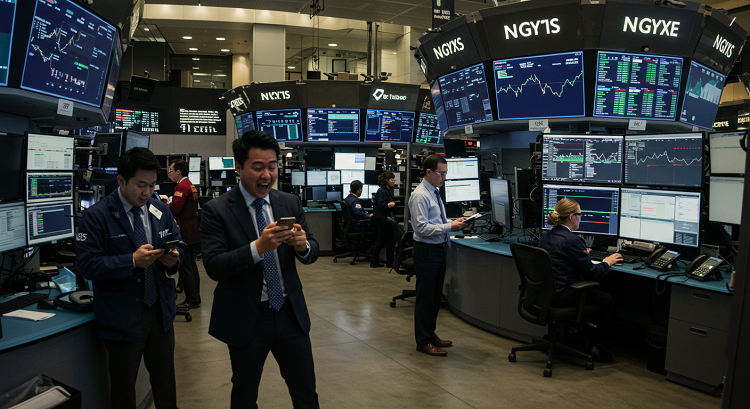

Europe offers a trio of powerful indices that each reflect distinct economies, sectors, and investor behaviors. The FTSE 100 in the United Kingdom, Germany’s DAX 40, and France’s CAC 40 provide deep insights into European markets but they do not move in sync. Each carries different volatility patterns, economic drivers, and industry weightings. For those involved in indices trading, selecting the right one depends on your strategy, market outlook, and appetite for risk.
The FTSE Brings Global Exposure With a Defensive Core
The FTSE 100 is home to multinational giants. Companies listed in London are often global in reach, with substantial revenue generated outside the UK. This makes the FTSE less reactive to domestic UK events and more sensitive to global developments, especially in commodities and emerging markets.
Sectors like energy, pharmaceuticals, and consumer goods dominate the FTSE. This creates a defensive tilt, making it appealing during times of uncertainty or low-risk appetite. For traders who prioritize stability and yield-based performance, the FTSE can be a reliable choice in indices trading.
Germany’s DAX Reflects Precision and Manufacturing Power
The DAX is tightly linked to industrial and export-driven growth. With giants like Siemens, BMW, and SAP, the index mirrors Germany’s strength in technology, engineering, and automotive industries. As a result, it is highly responsive to economic data from China and the United States are key trade partners.
This index can be more volatile than the FTSE, especially during shifts in global manufacturing or economic projections. It rewards traders who stay current on trade agreements, industrial production numbers, and sentiment around global demand. In indices trading, the DAX is often a favorite for those seeking sharper price movement within a structured European framework.
The CAC Provides a Blend of Domestic and Global Influence
France’s CAC 40 offers a hybrid. While it includes global names such as L’Oréal and TotalEnergies, it also reflects more domestic sensitivity than the FTSE. The balance of sectors includes luxury goods, financial services, and industrial firms.
This makes the CAC responsive to both eurozone policy decisions and French political developments. Traders benefit from its relatively smooth price action compared to the DAX, yet more responsiveness than the FTSE. In indices trading, the CAC is often seen as a balanced choice, suitable for medium-term positioning and news-driven swings.
Volatility Profiles Help Match the Right Strategy
Each of these indices shows different rhythm and flow throughout the trading day. The DAX tends to lead in volatility and reacts fastest to overnight sentiment from Asia or early Wall Street futures. The FTSE opens with a steadier pace and often reflects more traditional support and resistance behavior. The CAC follows a middle ground, offering a steady intraday range with fewer extreme spikes.
Scalpers and short-term traders often gravitate toward the DAX. Swing traders or those seeking smoother trend setups may prefer the CAC or FTSE. Understanding these patterns helps build setups that match your style and risk appetite within indices trading.
Sector Weights Add Another Layer of Strategy
The DAX is tech and industrial heavy. The FTSE favors energy and defensives. The CAC spreads across luxury, transport, and financials. These sector biases create opportunity for rotation-based trades.
If oil prices rise, the FTSE often benefits. A rebound in global manufacturing might favor the DAX. French luxury stocks tend to rally on strong consumer sentiment, lifting the CAC.
Choosing the right index is not just about location, it is about matching your market view with the economic backbone of that index. In indices trading, precision comes from knowing what moves your instrument and aligning that with broader global sentiment.