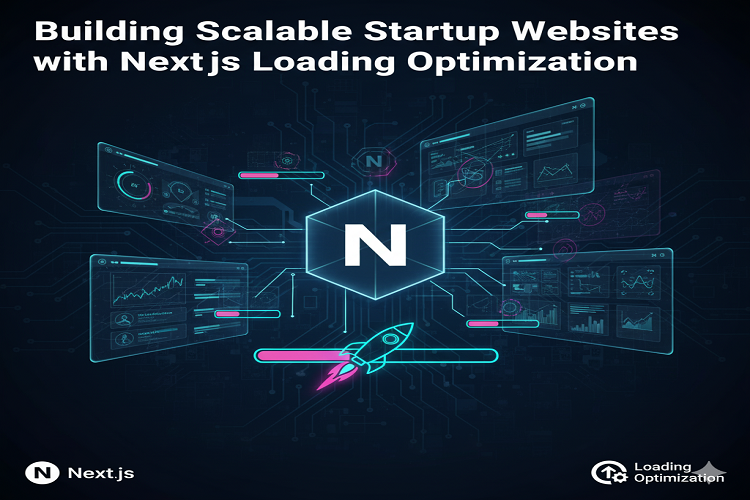

For today’s fast-paced digital landscape, every second counts — especially for startups striving to capture users’ attention. Page performance can make or break user trust, conversion rates, and overall business growth. That’s where Next.js loading optimization becomes a true game-changer. With the right Top Next.js development company, startups can build high-performing, scalable websites that deliver a frictionless experience — from the first click to conversion.
Why Loading Optimization Matters for Startups
Startups operate in an environment where agility, performance, and user experience determine market survival. A slow website not only frustrates users but also affects brand credibility and search visibility. Studies show that even a one-second delay in page loading can reduce conversions by up to 7%.
Next.js loading optimization ensures that startups don’t lose valuable leads due to poor performance. Through techniques like lazy loading, dynamic imports, and intelligent caching, businesses can achieve faster rendering and improved engagement metrics — critical for growth-driven ventures.
This performance-first mindset not only enhances user satisfaction but also helps founders allocate their development budget efficiently, ensuring long-term scalability and ROI.
Understanding Next.js Loading: The Core of Performance
At its core, Next.js loading revolves around minimizing unnecessary data processing and improving load prioritization. Startups leveraging this framework benefit from pre-rendered pages, hybrid static and server-side rendering, and code splitting — all of which create lightning-fast websites that scale with ease.
Modern Next.js development companies utilize features like:
- Dynamic imports, which load only the components users need in real-time.
- Suspense and React.lazy, enabling smoother transitions and better perceived performance.
- Image Optimization, automatically resizing and serving images for multiple device types.
For startups, this translates to faster time-to-market and reduced server load without compromising visual quality or functionality.
How Next.js Loading Enhances Startup Scalability
Startups grow quickly, and so should their digital infrastructure. The Next.js loading optimization process helps build scalability directly into the codebase. By ensuring asynchronous loading and static regeneration, websites remain responsive even under heavy traffic.
This scalability becomes essential when startups experience sudden growth spikes — such as after product launches or funding announcements. Instead of rewriting performance strategies, founders can rely on the framework’s built-in architecture to scale automatically.
A well-optimized Next.js application provides:
- Reduced bounce rates through instant content delivery.
- Improved Lighthouse scores that enhance SEO visibility.
- Seamless third-party integrations for analytics, CRMs, or eCommerce solutions.
The result? A future-ready digital foundation that keeps up with evolving business demands.
Trends Shaping Next.js Loading Optimization in 2025
The future of web development is heading toward automation, predictive performance, and sustainability. Startups adopting Next.js loading strategies early gain a competitive edge through:
- Edge Rendering and CDN-based Caching – Minimizing latency by serving data closer to the user.
- Progressive Hydration – Loading above-the-fold content instantly and deferring the rest for a seamless feel.
- AI-Driven Performance Monitoring – Using predictive tools to automatically detect and fix performance bottlenecks.
- Green Computing Principles – Optimizing for efficiency not only improves user experience but also reduces energy consumption, aligning with sustainable startup practices.
These innovations emphasize that loading speed is no longer just a technical metric — it’s a business differentiator that directly affects brand reputation and revenue potential.
Partnering with a Next.js Development Company
For many startups, implementing advanced performance strategies internally can be complex. A professional Next.js development company offers the expertise, frameworks, and ongoing support required to maximize results. From analyzing Core Web Vitals to refining load-time architecture, these experts ensure every millisecond contributes to business growth.
They can also assist with:
- Building custom frameworks optimized for your startup’s niche.
- Implementing caching and routing best practices.
- Ensuring code scalability for future expansion.
In a competitive ecosystem, this partnership becomes the cornerstone of digital acceleration and operational excellence.
Conclusion
In the startup world, growth isn’t just about innovation — it’s about execution speed and digital efficiency. Next.js loading optimization allows modern startups to create faster, scalable, and conversion-focused websites that enhance customer trust and brand visibility.
By collaborating with an Expert software development company, startups can transform their performance bottlenecks into growth opportunities — setting the foundation for sustainable digital success in the years ahead.
Frequently Asked Questions (FAQs)
1. Why is Next.js loading important for startup websites?
It helps improve speed, user engagement, and SEO, which directly impact conversions and scalability for growth-oriented startups.
2. How does a Next.js development company optimize website performance?
By implementing dynamic imports, caching, and SSR/ISR strategies tailored to your business goals.
3. What’s the difference between lazy loading and dynamic imports?
Lazy loading defers content until needed, while dynamic imports load components selectively to reduce bundle size and improve performance.
4. Is Next.js suitable for scaling SaaS or eCommerce startups?
Absolutely. Next.js offers scalability, API integration flexibility, and excellent performance for both SaaS and eCommerce ecosystems.
5. Can startups measure the ROI of Next.js loading optimization?
Yes. Improved site speed leads to higher engagement, reduced churn, and better SEO ranking — all contributing to measurable business growth.